On this glorious Wednesday, I thought we could have a nice chat about quantity words. Throughout your LSAT prep, you will encounter different quantity words that LSAC has sprinkled about your Logical Reasoning sections to confused you. Don't fall into their trap! Quantity words are very simple! In fact, once you know the techniques behind them, you'll be wishing the whole of the Logical Reasoning section was made up of quantity word questions! How about we review some of our "MOST" statement strategies, today?
When you confront two "MOST" statements with the same left-hand side variable, you can combine their right-hand side variables into a "SOME" statement. Take the following example:
Premise: A-most-B
Premise: A-most-C
Conclusion: B-some-C (C-some-B)
Can you see why? If most As are Bs and most As are Cs there is bound to be an overlap between B and C, which allows us to conclude that some Bs are Cs (and vice versa). A simple numerical example will clarify this point. Imagine you had five As. Well at least three of these As must be Bs and at least three of these As must be Cs.
Let's take a look at another example:
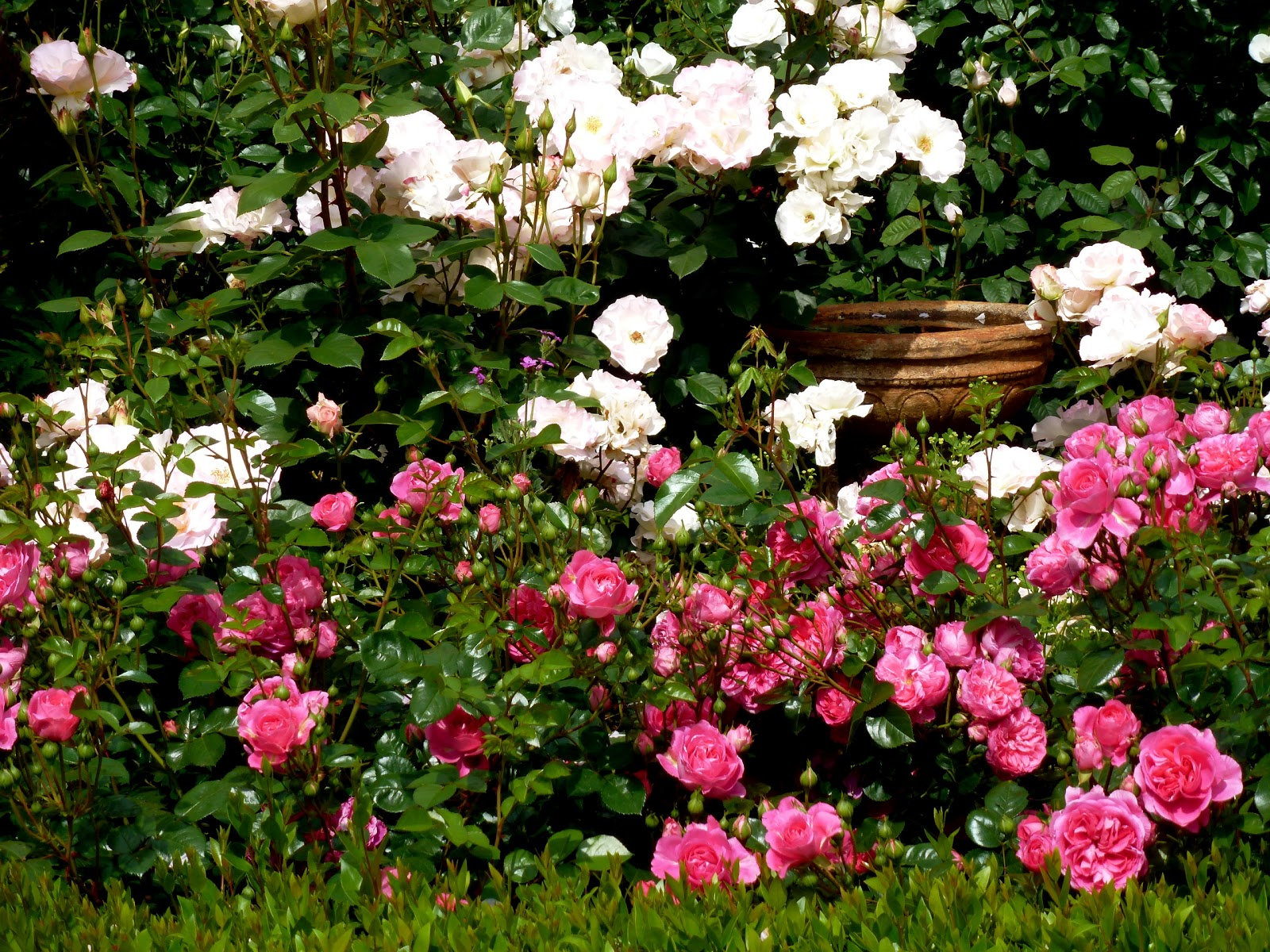
"Most roses are fragrant. Most roses are pollinated by bees."
Let's diagram and see what we can properly infer from the statements above:
Most roses are fragrant.
R-most-F
Most roses are pollinated by bees.
R-most-PB
We can combine the two "MOST" statements with the left-hand side variable of "Roses" to conclude "some things that are fragrant are pollinated by bees" as follows:
Premise: R-most-F
Premise: R-most-PB
Conclusion: F-some-PB (PB-some-F)
Simple, right? Let's try another example:
"Most English Gardens have roses. Most roses are pollinated by bees. Most English Gardens have aromatic flowers. Some flowers are pink. Some flowers have thorns."
Let's write these out: (remember that you can switch the variables of a "MOST" statement and make it into a "SOME" statement)
EG-most-R (R-some-EG)
R-most-PB (PB-some-R)
EG-most-AF (AF-some-EG)
F-some-P (P-some-F)
F-some-T (T-some-F)
Okay, so we have many quantity statements. But, the question is, which can we combine? We know that we can NEVER combine a "MOST" statement with a "SOME" statement, and we can NEVER combine a "SOME" statement with a "SOME" statement. Therefore, for the above statement of facts, we are only concerned with the "MOST" statements. The only two statements we can combine are the first and third statements, because they have the same left-hand side variables and are both "MOST" statements. Combining them we get, "some roses are aromatic flowers" as follows:
Premise: EG-most-R
Premise: EG-most-AF
Conclusion: R-some-AF (AF-some-R)
And that's all you need to know about combining two "MOST" statements. As you continue with your LSAT prep, I will make sure to cover the different quantity rules we have so that come test day, you'll be ready to go!
Happy Studying!